Every child carries within them a wealth of potential—like a mine rich in gems waiting to be discovered and brought to light. The work of education, then, is not simply to impart knowledge, but to nurture the spiritual qualities, capacities, and sense of purpose that already reside within each young heart.
Cultivating Character Rich in Gems is a space for shared learning—exploring how Brilliant Star is experienced by children, youth, families, and communities both within and beyond the Bahá’í community. Through reflection, dialogue, and real-world insights, this blog seeks to understand how meaningful learning takes root, how unity in diversity is strengthened, and how children and youth grow in their capacity for service.
By listening to diverse voices and experiences, we aim to uncover what helps these “gems” shine—what inspires joy, builds connection, and supports the development of qualities that contribute to both individual growth and the flourishing of communities.
Seeing the Good
April 14, 2026
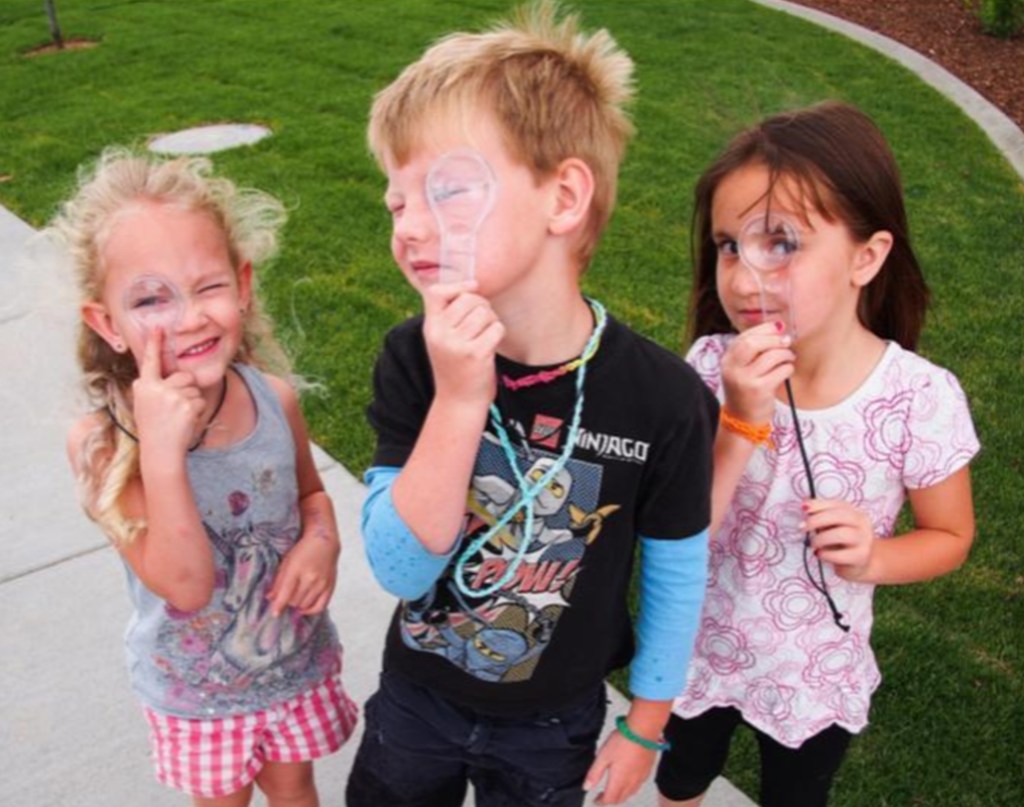
A few years ago, I facilitated Being the Change through the Lens, a youth empowerment workshop rooted in Transformative Leadership for Youth, in which diverse art forms served as tools for learning, reflection, conceptualization, and transformation.
Youth began the workshop with a simple but profound question: “What do you want to see in the world?”
They were invited to envision a world shaped by qualities such as justice, kindness, unity, and courage, and to express that vision through art, dialogue, reflection, and inspired action. As the sessions unfolded, capacity emerged as essential: the ability to see with one’s own eyes, to move beyond assumptions, and to develop a deeper, more intentional way of perceiving reality.
Our world is often shaped by inherited narratives and surface impressions; learning to see independently is both a moral and spiritual act. It requires cultivating a searching eye – one that seeks truth, recognizes dignity, and looks beyond what is immediately visible.
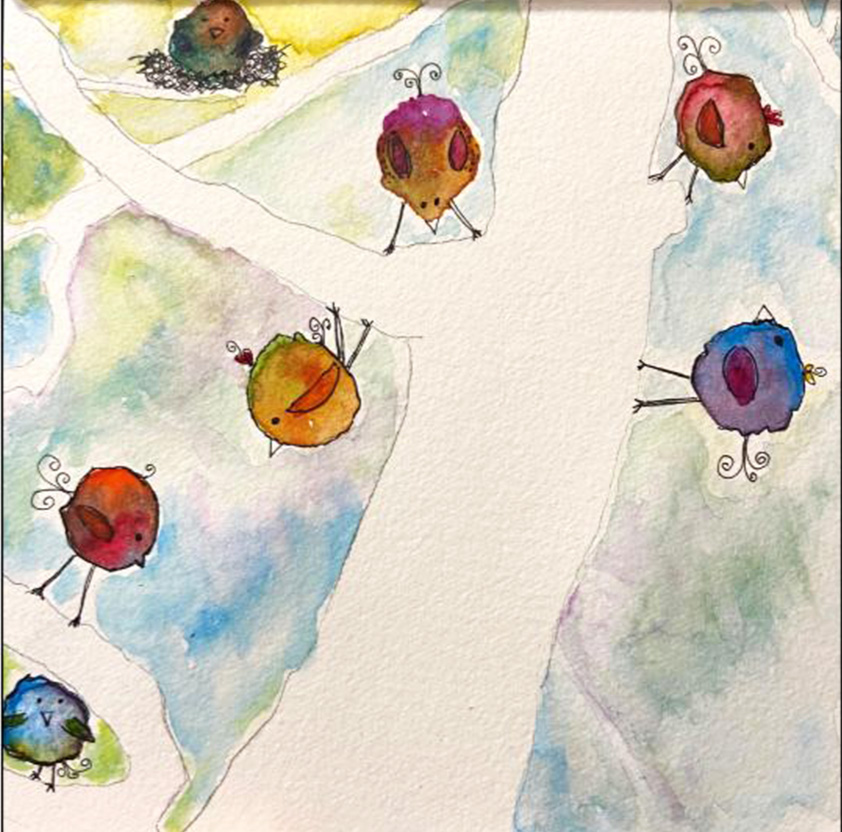
To help youth develop this capacity, youth were invited to observe an object – a tree or plant – but instead of drawing the object itself, they outlined the negative space around it. Next, they were invited to fill the negative space with something positive.
At first, several youth had difficulty embracing the negative space, but gradually, through perseverance, something shifted. Youth began to realize that perception is not fixed – it can move, expand, and transform depending on how one thinks.
They began to understand that seeing is a choice.
This simple artistic shift reflects a deeper principle: the ability to see the good in themselves, in others, and in the world around them. And this shift in perception does not remain internal; instead, it shapes how the young relate to peers, their families, and their communities.
This is where resources like Brilliant Star magazine play a unique and powerful role.
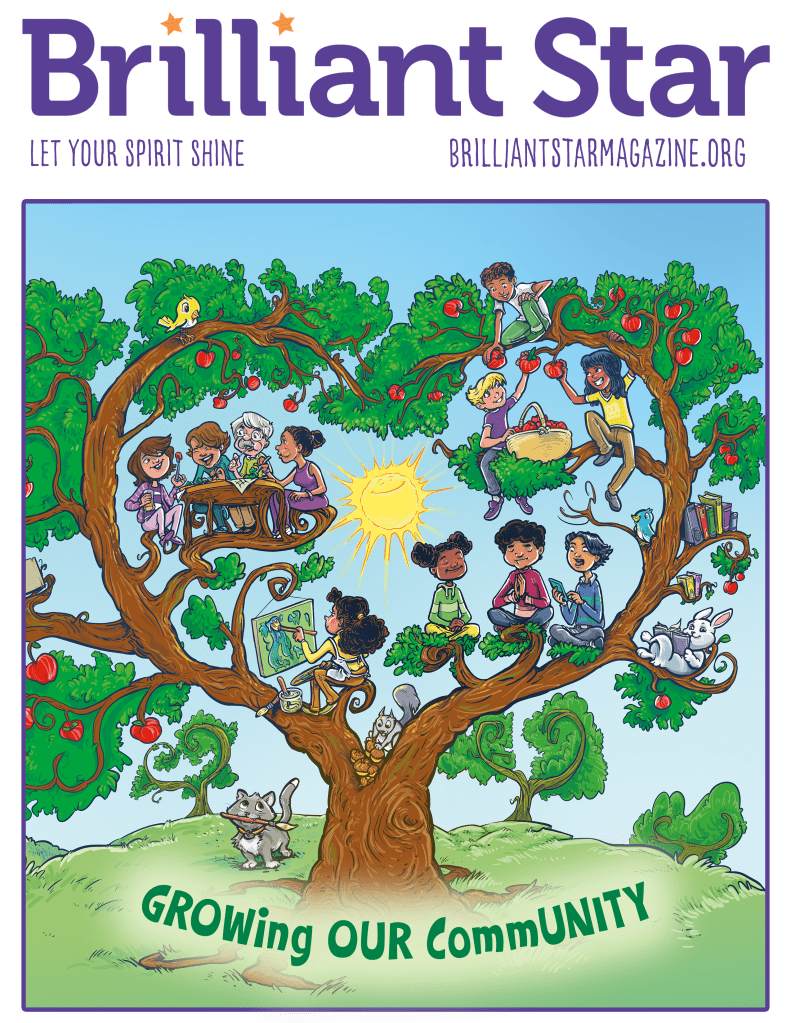
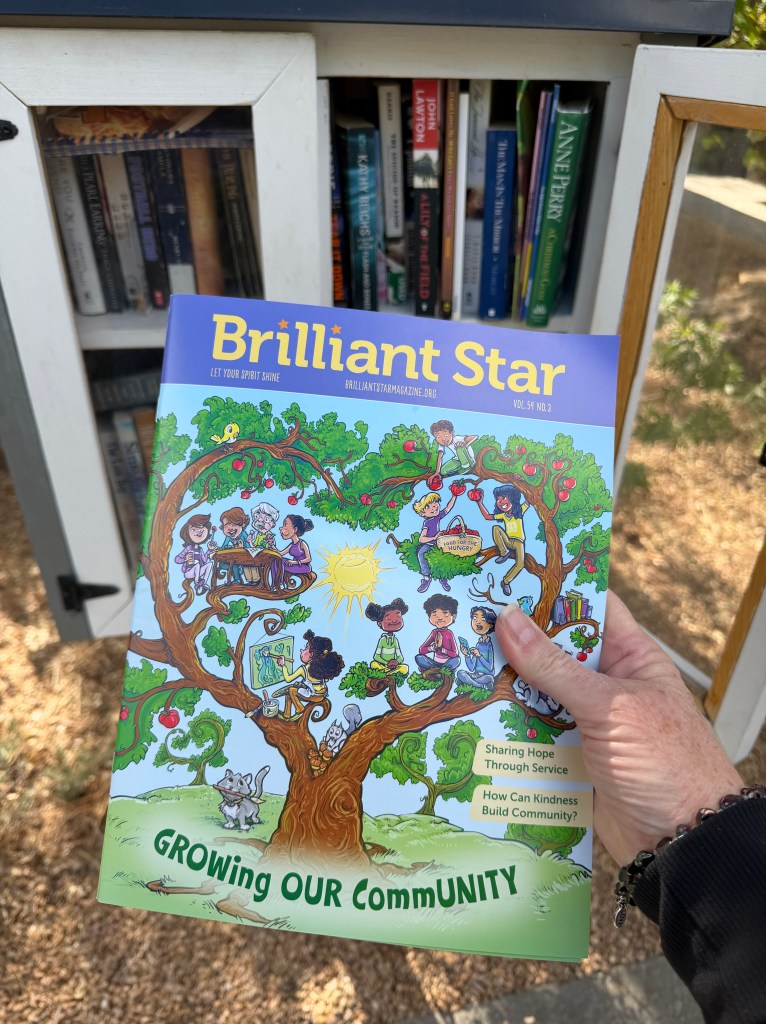
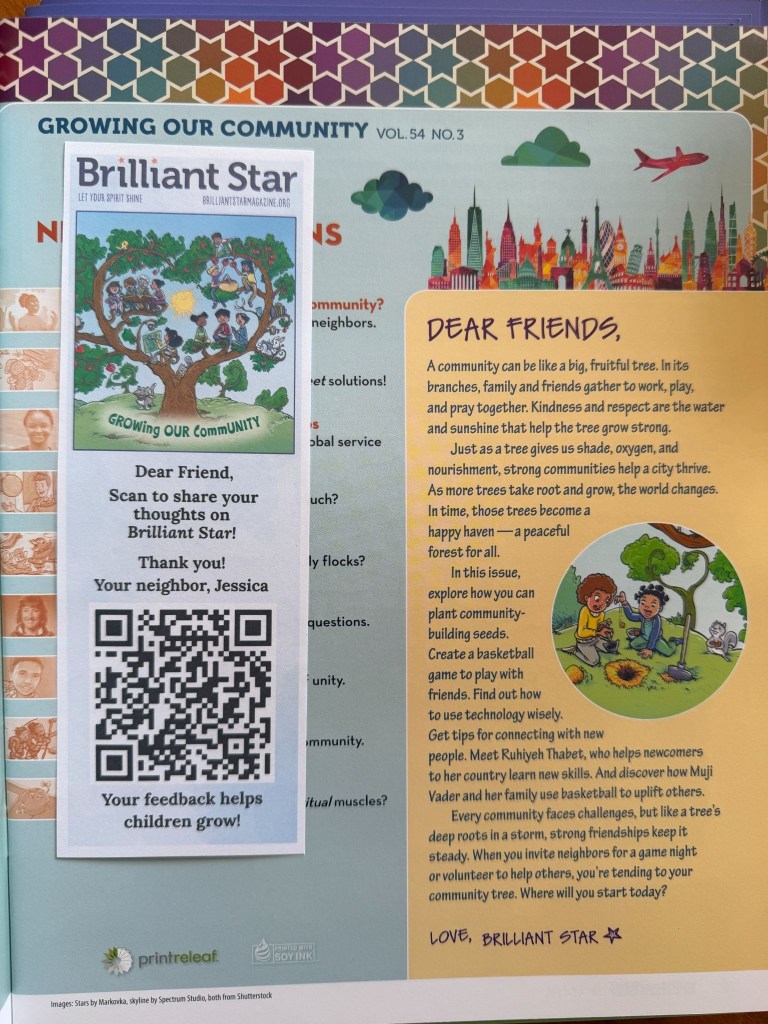
More than a publication, Brilliant Star can be seen as a love letter to children that speaks to their dignity, their capacity, and their role in building a better world. In the issue “Growing OUR Community”, the image of a fruitful tree offers a compelling vision of neighborhood life: a space where relationships are nurtured, where people gather, and where small acts of kindness and cooperation cultivate a rich and vibrant community together.
At the neighborhood level, Brilliant Star becomes a practical tool for empowerment. Its stories, activities, and reflections can be used in homes, schools, and community spaces to:
spark meaningful conversations among children and families
cultivate qualities like cooperation, courage, and kindness
encourage simple acts of service and inclusion
strengthen bonds of friendship and collective identity
In this way, it supports a pattern of community life in which children are not passive recipients but active agents of change in building unity.
Similar to the “Seeing the Good” project, Brilliant Star cultivates the capacity for vision to help young people perceive the world through the lens of possibility, potential, and beauty, and to act on that vision.
When we learn to see the good, we begin to be the good, nurture it, and grow it in ourselves and others.
And this is where the initial question – what do you want to see in the world? – comes full circle, but instead I ask, “What do you want to see in our neighborhood?”
Because the transformation of a neighborhood, like that of the world, doesn’t start all at once. It unfolds through small acts, shared vision, and a new way of seeing.
Cool kid, Jess
Wednesday, April 15, 2026
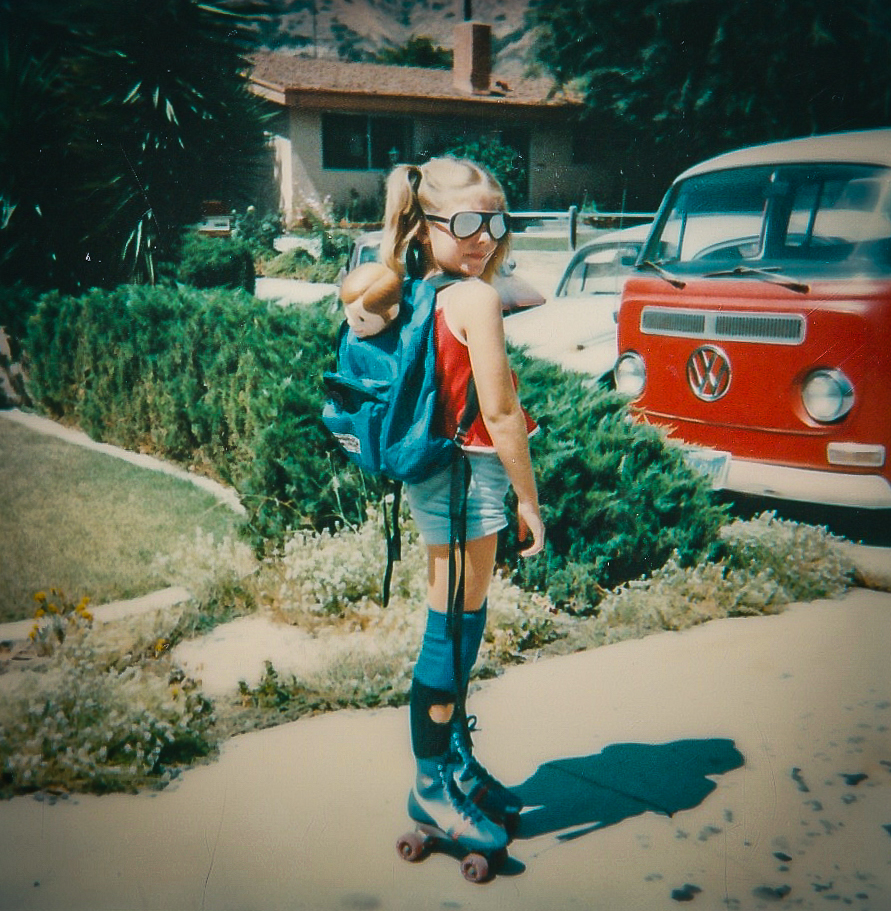
It doesn’t get better than this… doesn’t this bring back the ’70s?
I remember feeling so extra cool when this photo was taken. I lived in Fillmore, California, with my mom and dad. This house was at the end of the cul-de-sac and not far from my school. Those were the days when I biked, skated, or walked to school….(wait for it) alone.
It was in 7th grade that we moved from Fillmore to Simi Valley, and later in my teenage years, we lived in Moorpark. As an only child, my friends were my world. I was always surrounded by friends from many different backgrounds, cultures, and faiths. Looking back, those experiences planted the seeds for my love of diversity and my belief in the power of relationships to bring people together.
I was raised within the Bahá’í Faith and was grounded in principles of unity of religions and the human family, equality of women and men, the elimination of all prejudice, universal education, and the harmony of science and religion. As a child, I always saw the world as one family, and at the same time, I was confused why my world family didn’t get along. As I grew older, I sought out diversity with conscious effort, appreciating how exposure to differing perspectives enriched me personally and deepened my understanding of others.
It makes sense that my love for diversity has given me a sense of purpose in life. In Brilliant Star’s Growing OUR CommUNITY issue, the community is likened to a thriving tree that grows gradually, nourished by consistent care. Its roots are the values (or gems) that sustain it, such as kindness, trust, and unity. Its trunk is the shared vision that gives the tree strength and is essential for providing refuge from the sun and rain. Its branches are the relationships that extend outward, connecting neighbors together. And its fruits are the acts of service, cooperation, and joy that benefit everyone.
What I love about this issue in particular is how it empowers people of all ages to plant community seeds through inspired action grounded in universal qualities found across world cultures.
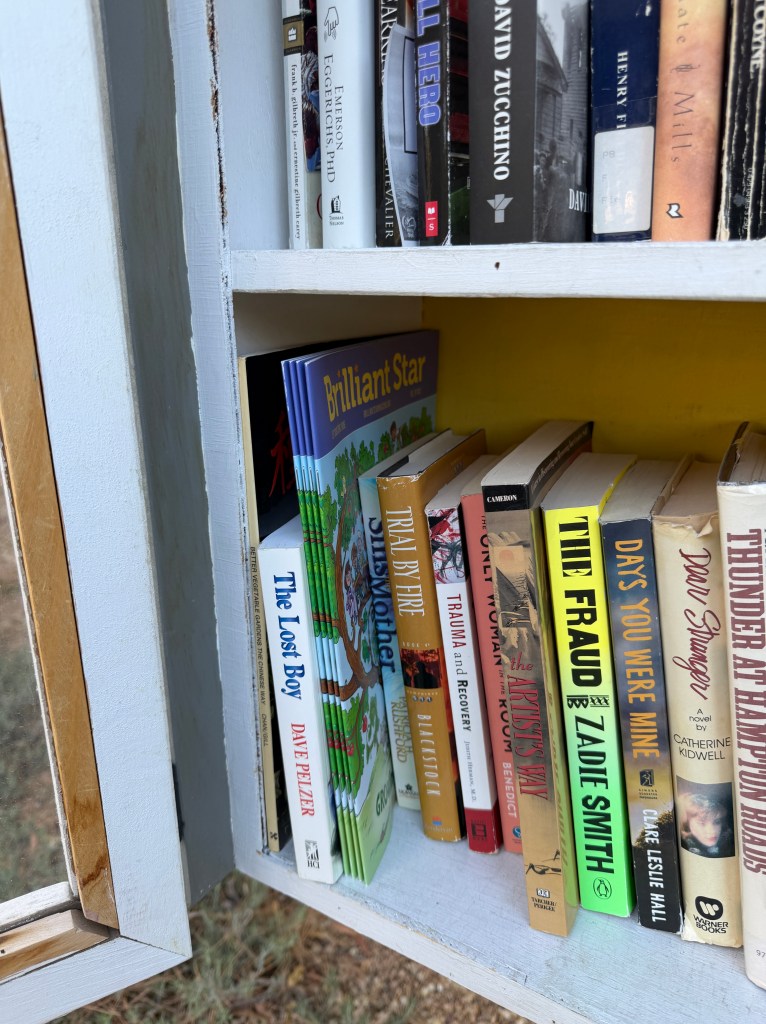
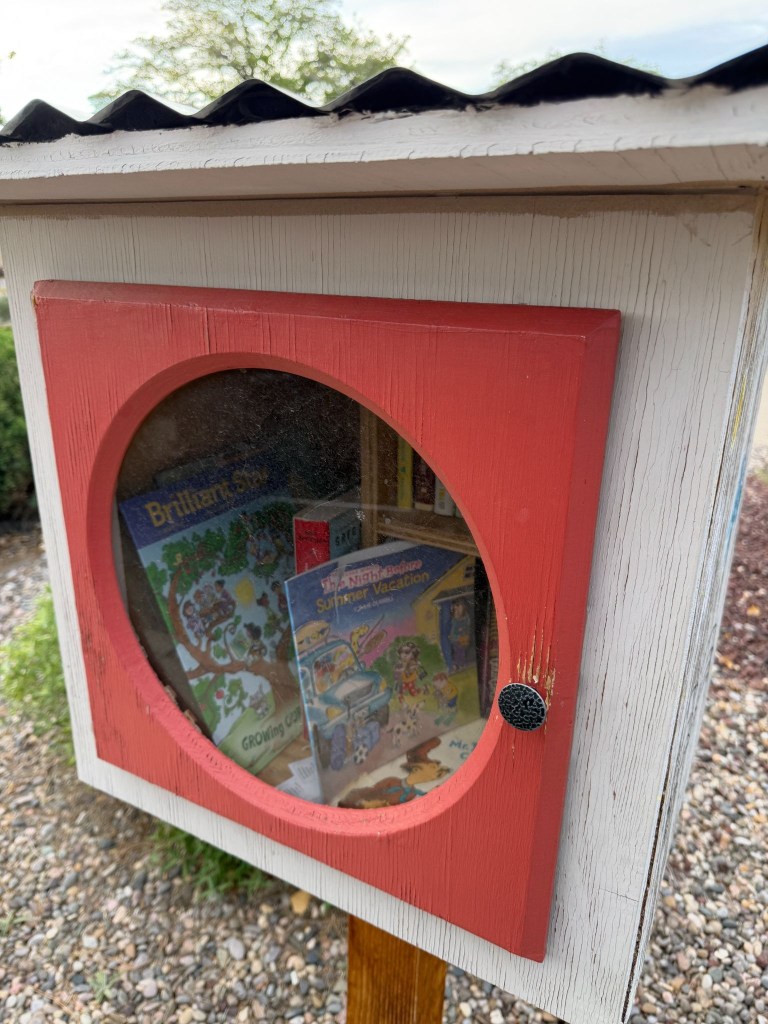
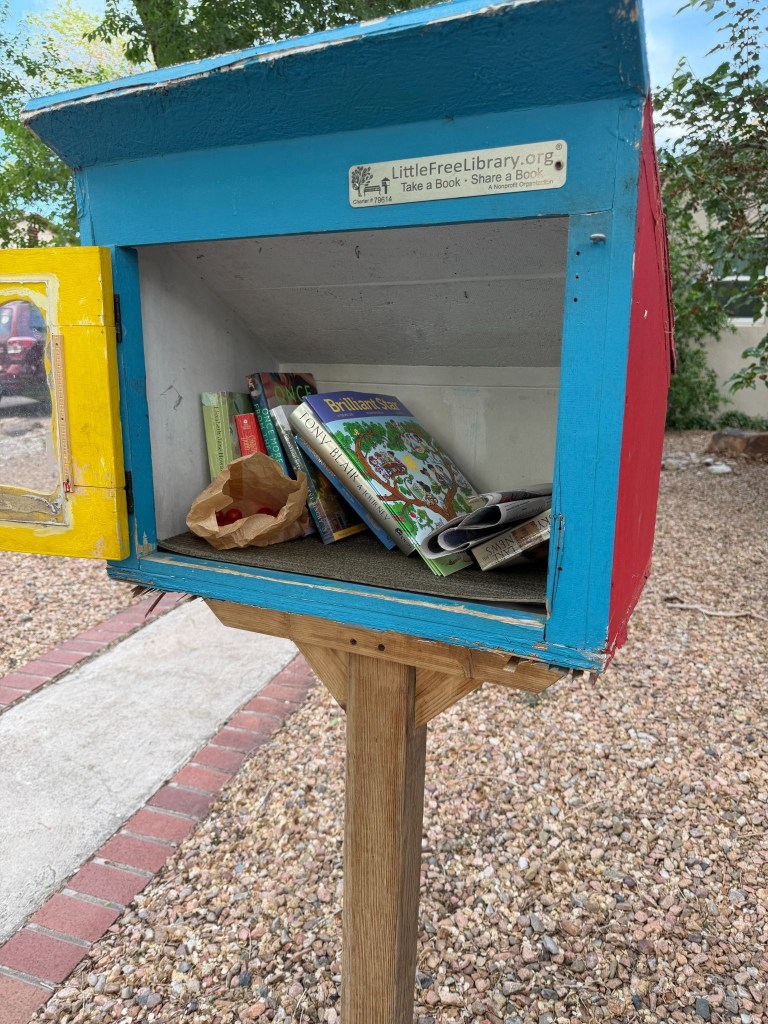
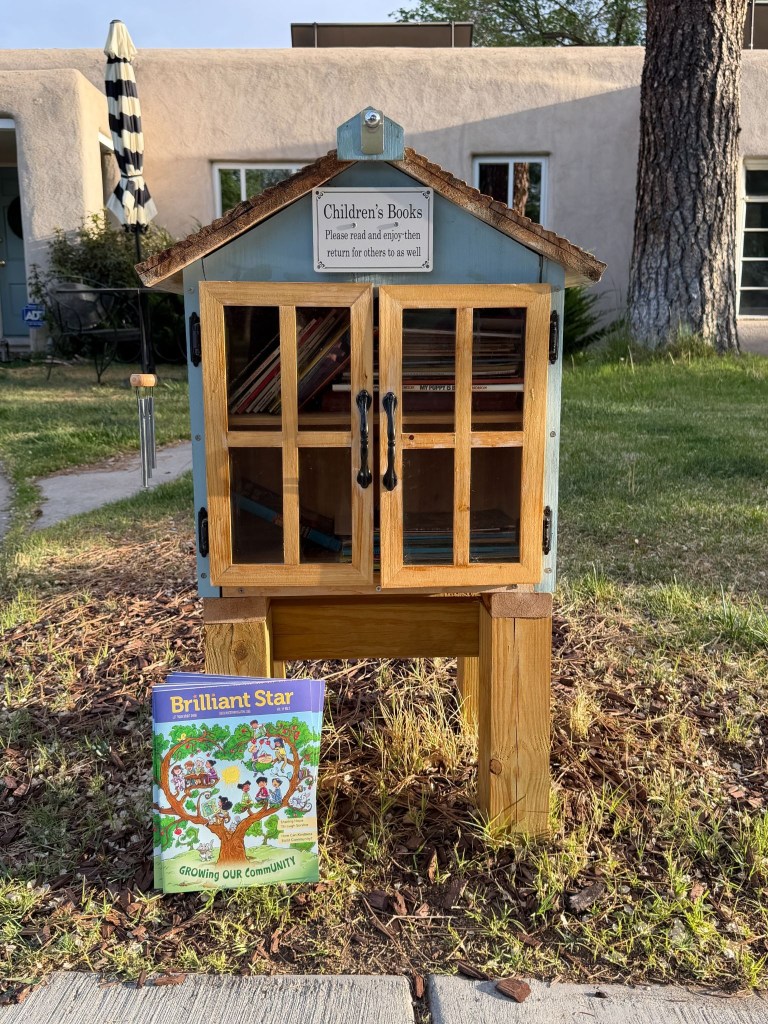
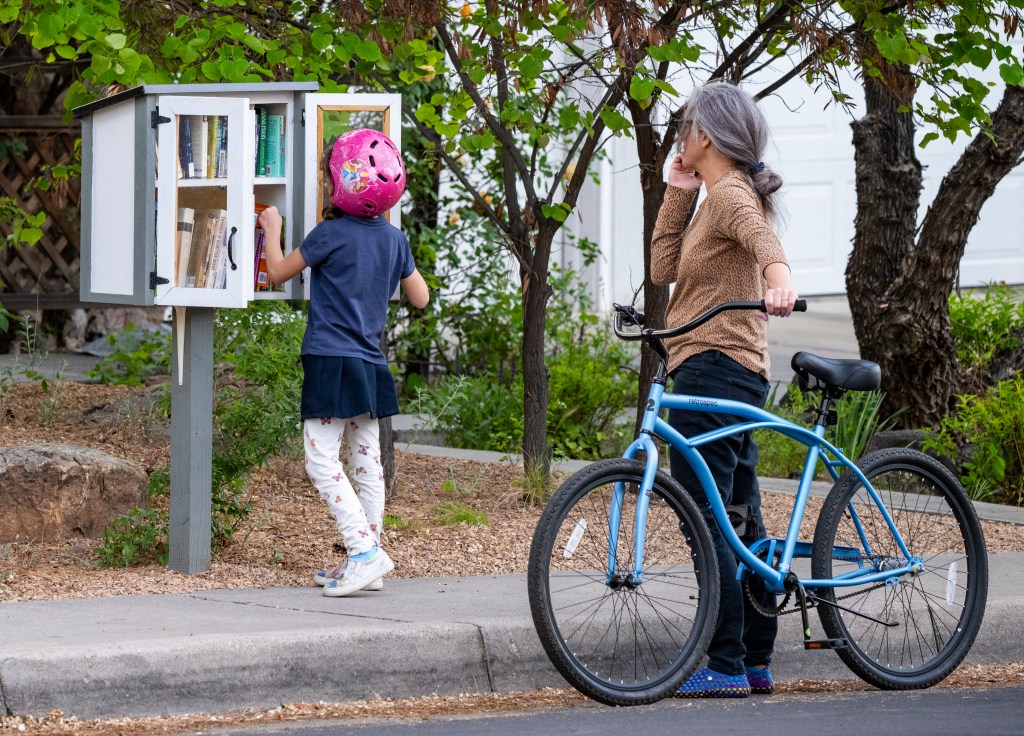
As I ventured out to my neighborhood’s free libraries to take a count of Brilliant Star magazines, it occurred to me that Brilliant Star is a gentle companion in the work of tending to the well-being of our community tree. Like a gardener’s guide, it offers stories, activities, and ideas that help cultivate the soil of the heart – especially for children. I think of this as soul gardening.
Tonight’s first count showed one magazine missing! After one day, we have found a Soul Gardener in our neighborhood!
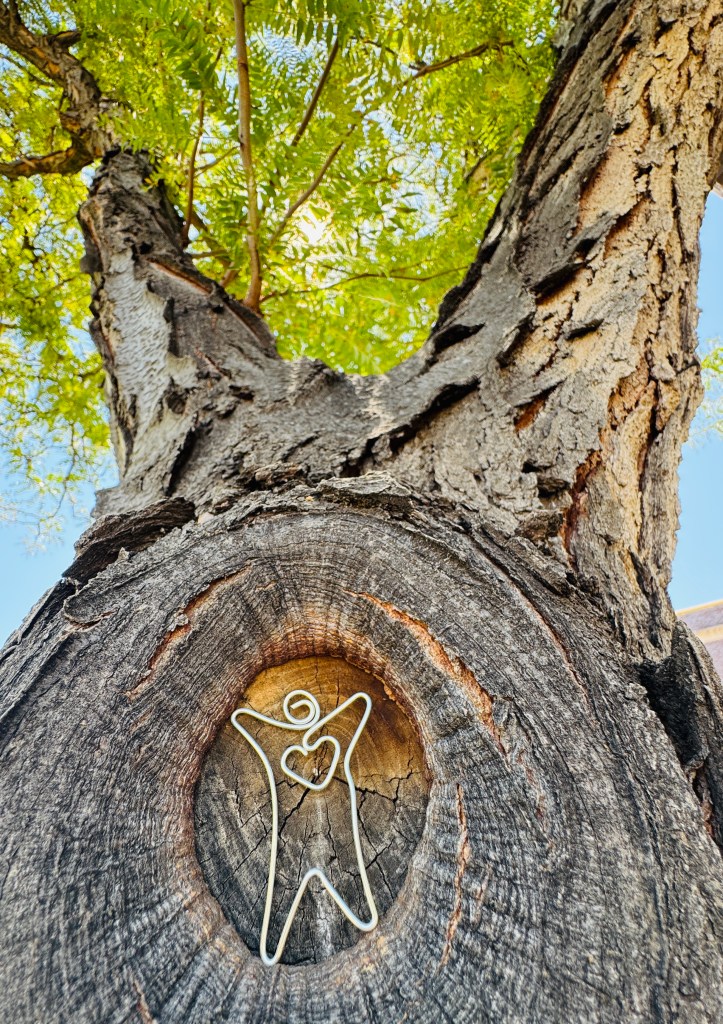
I’ve been crafting soul gardeners (see tree image above) for over 20 years. Soul Gardeners are created in celebration of the nobility of human beings and are imbued with the belief that each person carries within them the capacity for goodness, growth, and contribution. Each soul gardener is a reminder that tending to the inner life is just as important as tending to the outer life. I see Brilliant Star as a guide – like a north star – for soul gardeners. It helps translate the idea of soul gardening into action, supporting children and families in cultivating habits, relationships, and shared experiences that strengthen the life of the neighborhood.
In celebration of the beauty in diversity of all the Soul Gardeners out in the world, you are invited to learn how to handcraft them for yourself and others. The tutorial was created for the Transformative Leadership for Youth workshops mentioned earlier, to help youth nurture the concept of soul gardening into a tangible, creative form.
Enjoy! If you do make a Soul Gardener, please share a photo and send it to ccrichingems@gmail.com. I would love to see it. They also make beautiful tokens of love to share with others.
Opening Tiny Doors
Thursday, April 16, 2026
I was excited – and honestly a little nervous – to check on each of the neighborhood libraries today. My first stop was the free library down the street. Today’s count remained at 4 issues in our library. Yesterday’s excitement of learning how one magazine was taken still brought a smile to my face.
Next, I visited the four neighborhood libraries surrounding me. In each one, the number of magazines stayed the same as on the first day – none had been taken.
I began to wonder if the location played a role in who visits the libraries regularly.
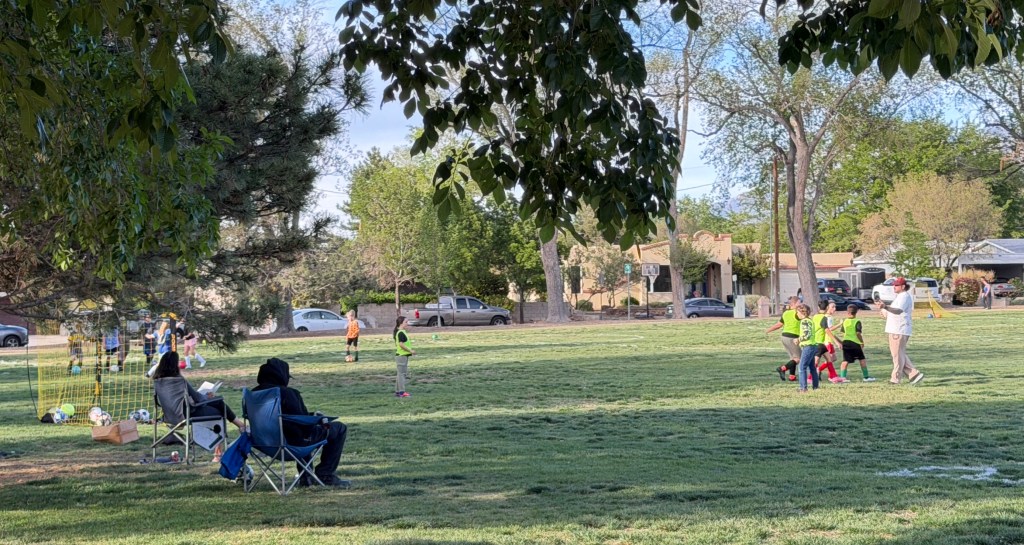
For example, my local library sits across from a populated park. I often see soccer games, family picnics, and neighborhood gatherings taking place there. It is rare to see the park empty of dog walkers, neighbors walking, running, or people playing tennis. The library naturally becomes part of the movement and rhythm of the community.
The next closest free library sits around the corner from its community park. It would be difficult for a young person to know there was a library nearby unless they had already passed by it before. The remaining three libraries are located in the same neighborhood, less than a mile from me.
One free library sits in front of a home that is not near a community park, while the other two libraries are near two different parks. However, one free library was next to Walgreens, which is often visited by community members experiencing housing insecurity. In addition to books and the original magazine, I discovered that this library also provided food for visitors. It was enlightening to see that community spaces nourish people in more ways than one.
The 5th library was across the street from a park with a playground. It was the only library specially built for children between 40 and 52 inches tall. I felt excited to see a free library intentionally designed for children, and I appreciated how children could feel included and valued as they open the tiny door and search through the items inside.
Each library reflected the needs, energy, and character of the space surrounding it. Visiting them made me think about how accessibility, visibility, and thoughtful design can shape the ways communities connect, share, and care for one another.
Similarly, Brilliant Star can shape and influence a community. As each library reflected the needs, energy, and character of the space surrounding it, Brilliant Star holds the potential to become part of the intellectual, emotional, and spiritual rhythm of the community – cultivating hearts and minds in moments of joy, imagination, kindness, and unity for people who discover it.
Three Magazines, One Response!
Monday, April 20, 2026
Due to work and family needs, I was unable to visit any library until today.
After 3 days, one magazine from my neighborhood and one from the library, not near a community park, had been taken. The remaining libraries had the same number of magazines as before.
This observation raises interesting questions about the role of environmental and socialization influences within the community. Children exist in microsystems (everyday contexts), mesosystems (the influence of one microsystem on others), and exosystems (which include people and institutions). And then all of these systems exist within an even broader macrosystem that encompasses society’s general beliefs, ideological perspectives, and behavioral patterns. It is understandable that those close to children, such as parents, siblings, friends, and teachers, influence and shape a child’s personal and social development. Equally important is recognizing that culture directly influences children’s personal and social development. This process is known as socialization (Ellis, Anderman, and Anderman [2014] 2020).
What role do cultural and social systems play in encouraging or limiting interaction with community literacy resources?
Do community environments near social gathering spaces encourage greater participation and engagement?
One important part of this project was to include a note for potential readers. Inside the front page, I included a greeting and QR code inviting the reader (parent) to complete a brief questionnaire about their thoughts, engagement, and experience with the magazine.
As magazines began disappearing from the libraries, I was curious to see whether anyone would respond to the survey. Up until this point, there have been zero responses. However, when I checked today, I was excited to see that one response had been recorded.
At first, it was hard not to want more responses in the survey. I knew magazines were being taken, but I only had one response. This reality has increased my curiosity. Perhaps the reality of a single response reflects the complexities of community socialization and culture. This could be less a statement about parent engagement with the magazine and more of a reflection of how the community culture doesn’t welcome surveys.
In addition to the broader macrosystem’s influence on children in the community, another factor to consider is the library’s location. Public spaces create endless opportunities for informal learning, conversation, and friendship building. Even the simple act of seeing another child and parent interact with a library may encourage participation through social modeling.
I realize that community engagement cannot always be measured through direct responses alone. It is clear that magazines were taken, suggesting that some level of interaction occurred, even it remains invisible. My challenge in moving forward is understanding how to create stronger connections that encourage neighbors not only to participate quietly but also to share their voices and experiences.